The most famous Italian furniture designers of the last century include Gio Ponti, Achille Castiglioni, Ettore Sottsass and Gae Aulenti. This page covers nine of them: what each one made, how to spot it and where to read more.
Nine Italian designers and one piece to know for each
| Designer | Known for | Piece to know first |
|---|---|---|
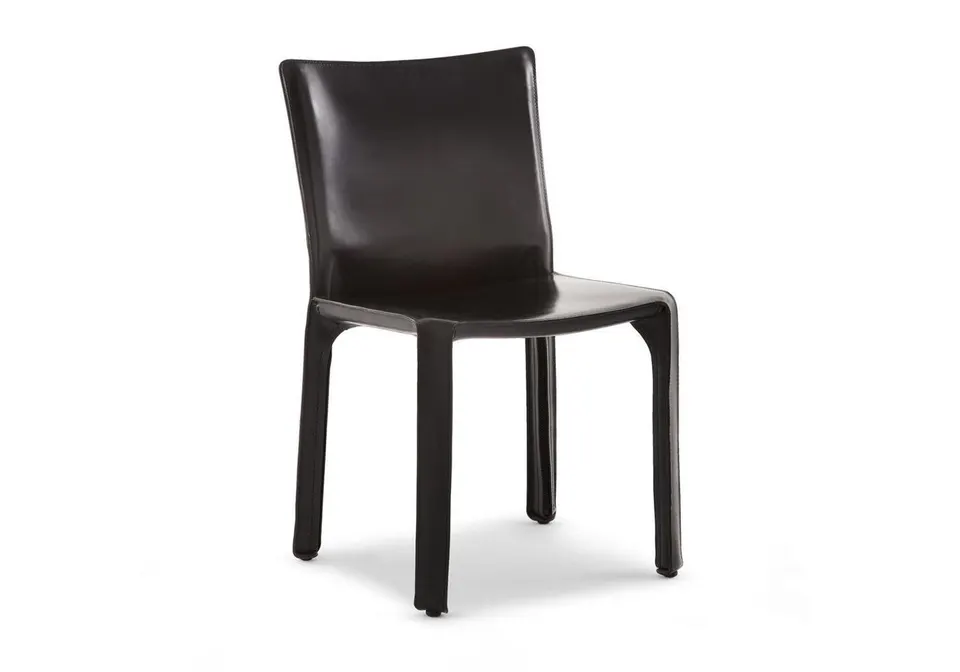
| Gio Ponti (1891–1979) | Very light chairs, ceramics, the magazine Domus | Superleggera chair, Cassina, 1957 |
| Franco Albini (1905–1977) | Simple wood and cane furniture with visible joints | Luisa chair, Poggi, 1955 |
| Carlo Scarpa (1906–1978) | Venini glass, museums, a few tables and sofas | Doge table, 1968 |
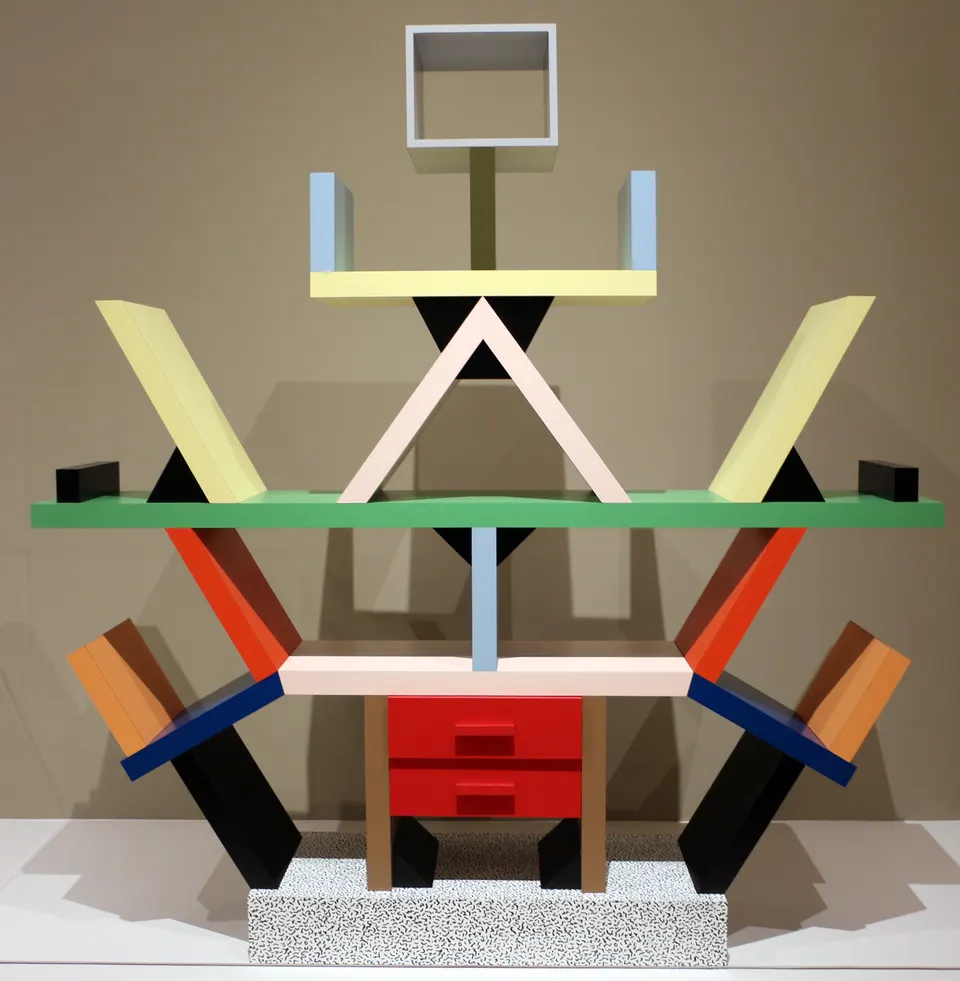
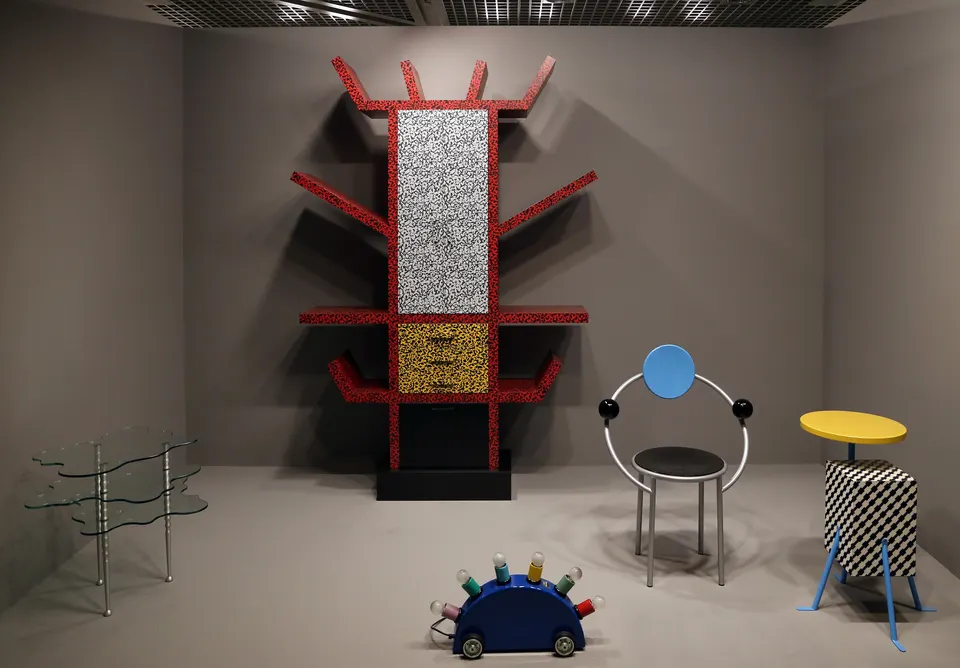
| Ettore Sottsass (1917–2007) | Bright color, patterned laminate, the Memphis group | Carlton room divider, Memphis, 1981 |
| Achille Castiglioni (1918–2002) | Lamps and stools built from ordinary parts | Arco lamp, Flos, 1962 |
| Vico Magistretti (1920–2006) | Lamps and chairs made in large series | Eclisse lamp, Artemide, mid 1960s |
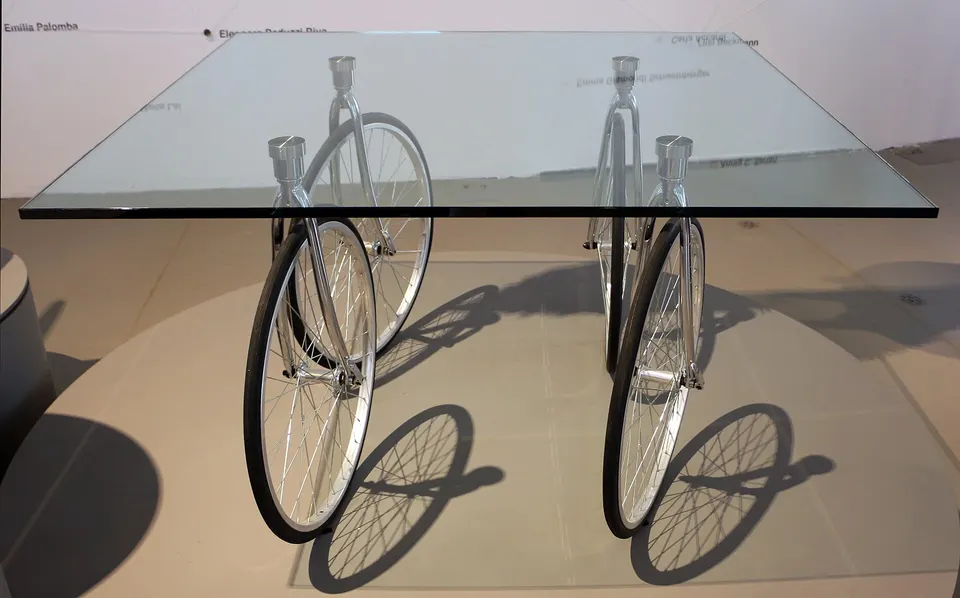
| Gae Aulenti (1927–2012) | Lamps, glass tables, museum interiors | Pipistrello lamp, Martinelli Luce, 1965 |
| Mario Bellini (born 1935) | Soft modular sofas and office machines | Camaleonda sofa, B&B Italia |
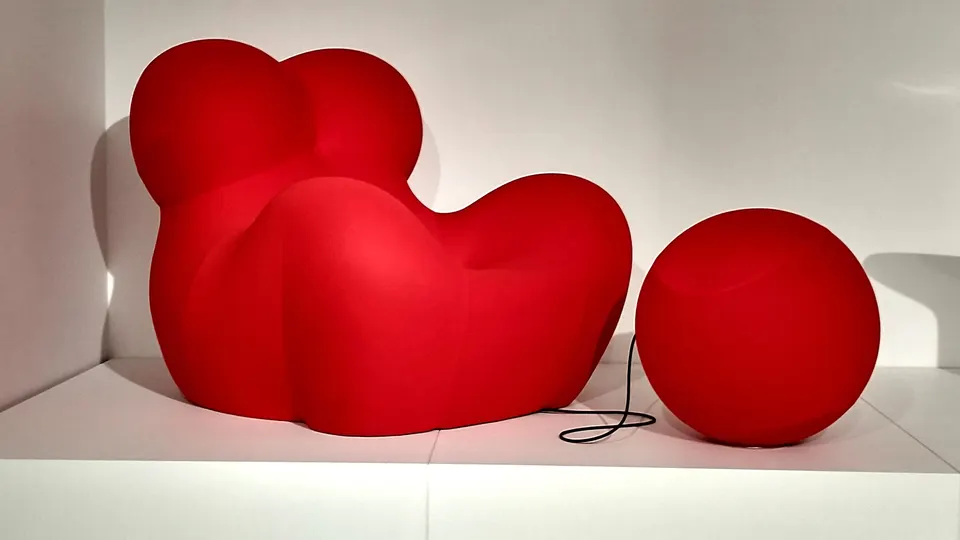
| Gaetano Pesce (1939–2024) | Foam, resin and shapes with a message | Up chair, C&B Italia, 1969 |
The first generation: Ponti, Albini and Scarpa
These three started work between the two world wars. Ponti founded Domus in 1928 and used it to show new design to a wide public. Albini began his career in Ponti's office and opened his own practice in 1930. He liked raw, inexpensive materials and showed how the parts were joined.
Scarpa took another road. He worked with Murano glassmakers, first at Cappellin and then at Venini, long before his museums made him known. If glass is what you collect, read Murano glass techniques together with his page.
The generations also knew each other. In 1964 Ponti put work by the Castiglioni brothers and Sottsass in a series of exhibitions in Milan. Much of what people now call Italian mid century modern begins with this group.
After the war: lamps, sofas, color and new shapes
After the Second World War there were few large building jobs, so many architects turned to small objects. Castiglioni and his brothers worked on lamps, stools, switches and radios. Magistretti moved into furniture and lamps made in series in the 1950s. His Eclisse lamp won the Compasso d'Oro in 1967. One simple turn of its inner shade makes the light stronger or weaker.
Aulenti designed lamps as part of whole interiors. Her Pipistrello was planned for the Olivetti shop in Paris. More pieces of this kind are in the guide to Italian lamps.
In the 1960s designers began to question what a chair or a cabinet should look like. At this time the plain forms of the 1950s met bright plastics and foam. Sottsass covered furniture in colored plastic laminate and later led Memphis design. Bellini worked on soft seating. His Camaleonda is a sofa made of separate modules, and his Le Bambole range won the Compasso d'Oro in 1979.
Pesce, who studied under Scarpa in Venice, used foam and resin. His Up chair comes with a ball-shaped footstool. Pesce linked the pair to the condition of women: the stool can be seen as a child, or as a ball and chain.
What these designers have in common
- Architecture. All nine studied architecture, even those best known for a lamp or a sofa.
- Makers willing to try things. Cassina, Flos, Artemide, Kartell, Poltronova and Zanotta turned their drawings into products. Many of these firms were small family companies that took risks on new materials.
- Olivetti. The office machine company appears in five of the nine careers. Sottsass and Bellini designed its machines. Scarpa did its Venice showroom, and Albini and Aulenti worked on its Paris shops.
- The Compasso d'Oro. Ponti helped create this design award in 1954, and many of the others won it.
Which designer to look at for each room
- Dining room: Ponti and Albini for light wooden chairs, Castiglioni for a lamp that reaches over the table.
- Living room: Bellini and Pesce for seating, Aulenti for low tables and lamps.
- Bedroom: Magistretti for small lamps, Sottsass if you want color.
- Glass shelf: Scarpa for vases. Ponti, Sottsass and Aulenti also drew pieces for Venini.
- Small home: start with pieces that fold, stack or move, such as Castiglioni's Cumano table or Aulenti's April chair. Then read how to fit modern furniture in a small space.
Museums that show Italian furniture design
In Milan, the ADI Design Museum holds winners of the Compasso d'Oro, and the studio of Achille Castiglioni is now a museum. In New York, MoMA owns works by several people on this page. In London, the V&A shows a Superleggera. In Paris, the Centre Pompidou owns a large group of pieces by Aulenti.
You can also see their ideas in newer rooms. Compare them with the traits of modern Italian furniture and notice which ones came back.