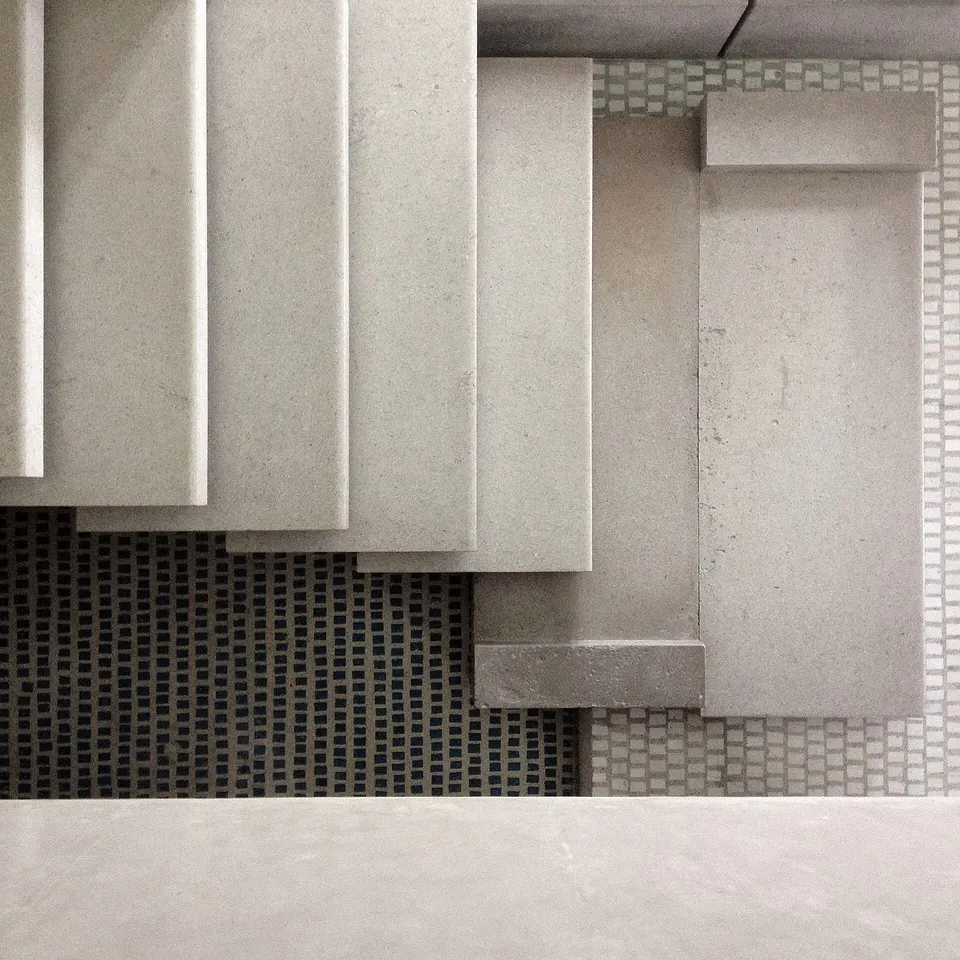
Carlo Scarpa designed glass for the Venini furnace on Murano from 1932 to 1947 and then worked mainly as an architect. His vases are named after the technique or form, so many names tell you what to look for.
Venini glass series designed by Carlo Scarpa
| Series | How it is made | What you see |
|---|---|---|
| Bollicine, "small bubbles" | Air bubbles are trapped in the glass | Many small bubbles in the wall |
| Sommersi, "submerged" | Colored glass, at times with gold leaf, under thick clear glass | A heavy piece with a colored inner layer |
| Corrosi, "corroded" | The cold surface is treated with acid | Cloudy, soft skin, like glass found in the sea |
| Cinesi, "Chinese" | Forms taken from Asian porcelain | A plain porcelain-like outline |
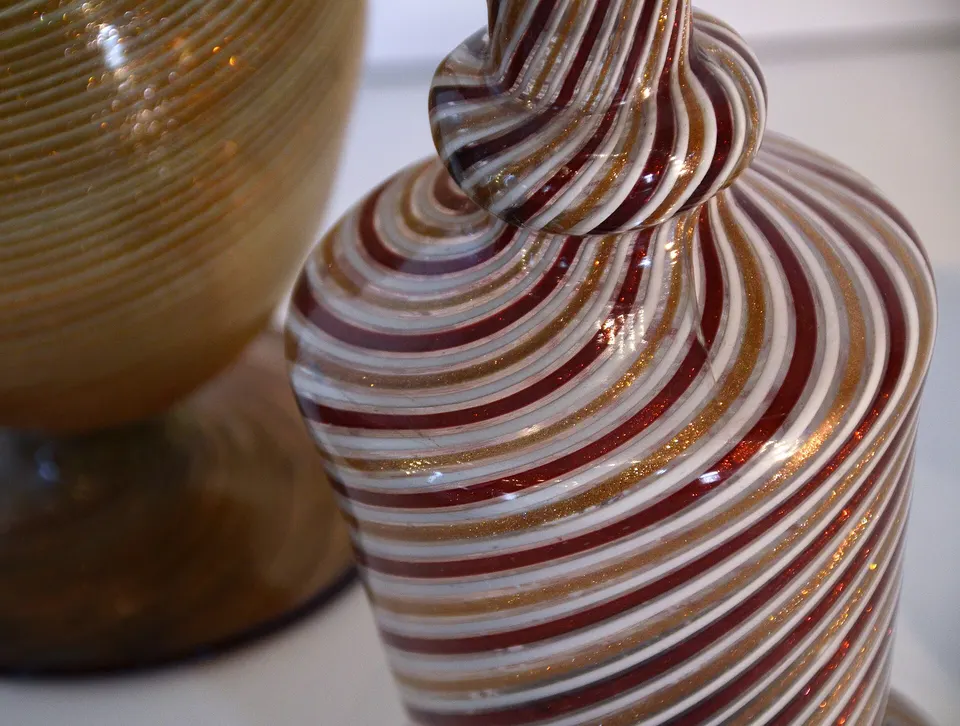
| Tessuti, "woven" | Thin glass canes are fused together | Fine stripes that look like cloth |
| Battuti, "beaten" | The cold surface is cut on a wheel | Many small flat marks, like hammered metal |
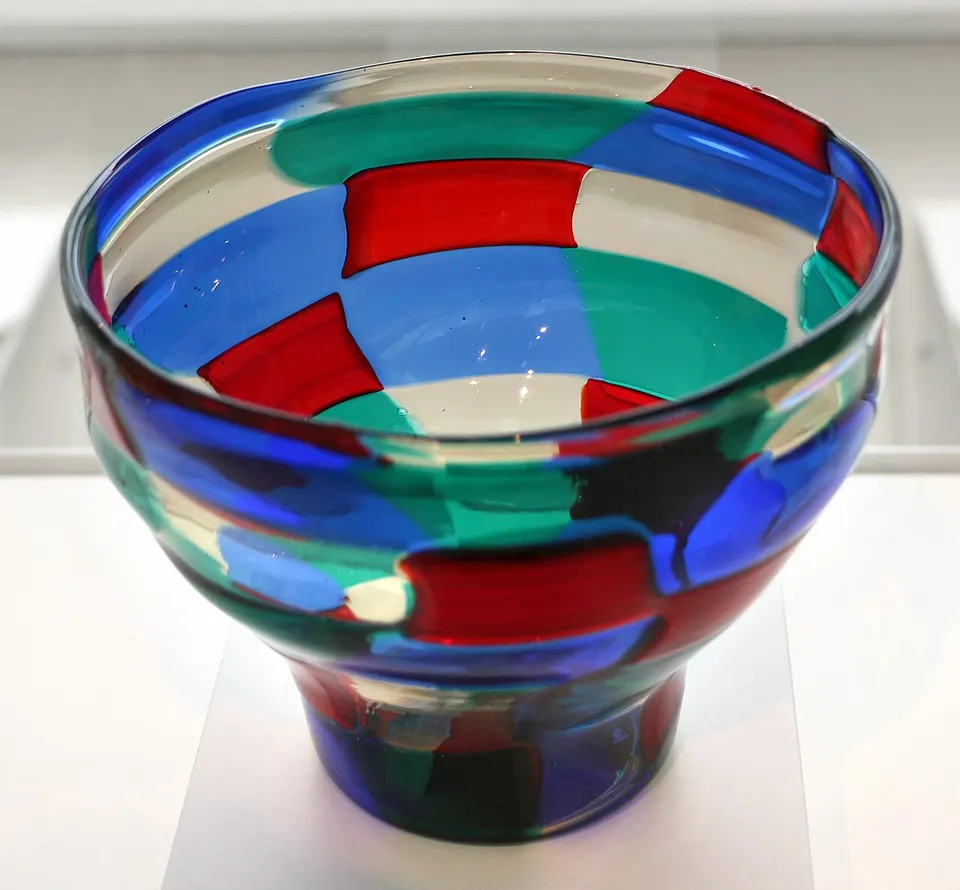
The same words are still used today, and more of them are explained in the list of Murano glass techniques. Scarpa also used slices of patterned glass cane, described in murrine and millefiori. His opaque version was ground and polished.
Fifteen years with the Venini furnace
Scarpa began with another Murano company, M.V.M. Cappellin, and joined Venini in 1932. He worked closely with the owner, Paolo Venini, and with the master glassblowers. Together they tried out materials, colors and surfaces, and returned to old Venetian and Roman methods to find new results.
New series were shown at the Venice Biennale and the Milan Triennale. The sommersi appeared in 1934, the acid-treated corrosi in 1936, the tessuti and battuti in 1940. Some ideas stayed rare because they were too hard or too expensive to make. The 1942 Biennale was his last as a glass designer.
Corrosi and battuti: finished after the glass is cold
Much Murano decoration is done while the glass is hot. These two are different. For corrosi, the vase goes into an acid bath. Areas that must stay shiny are first covered with wax. Time, temperature and the mix of acids all change the result.
For battuti, the cold vase is cut on a wheel until small, irregular, nearly flat marks cover it all over. The Metropolitan Museum of Art compares the effect to hammered silver.
Scarpa's main buildings in Italy
- Castelvecchio Museum, Verona. A medieval castle turned into a museum, with new stairs, doors and stands made for single works of art.
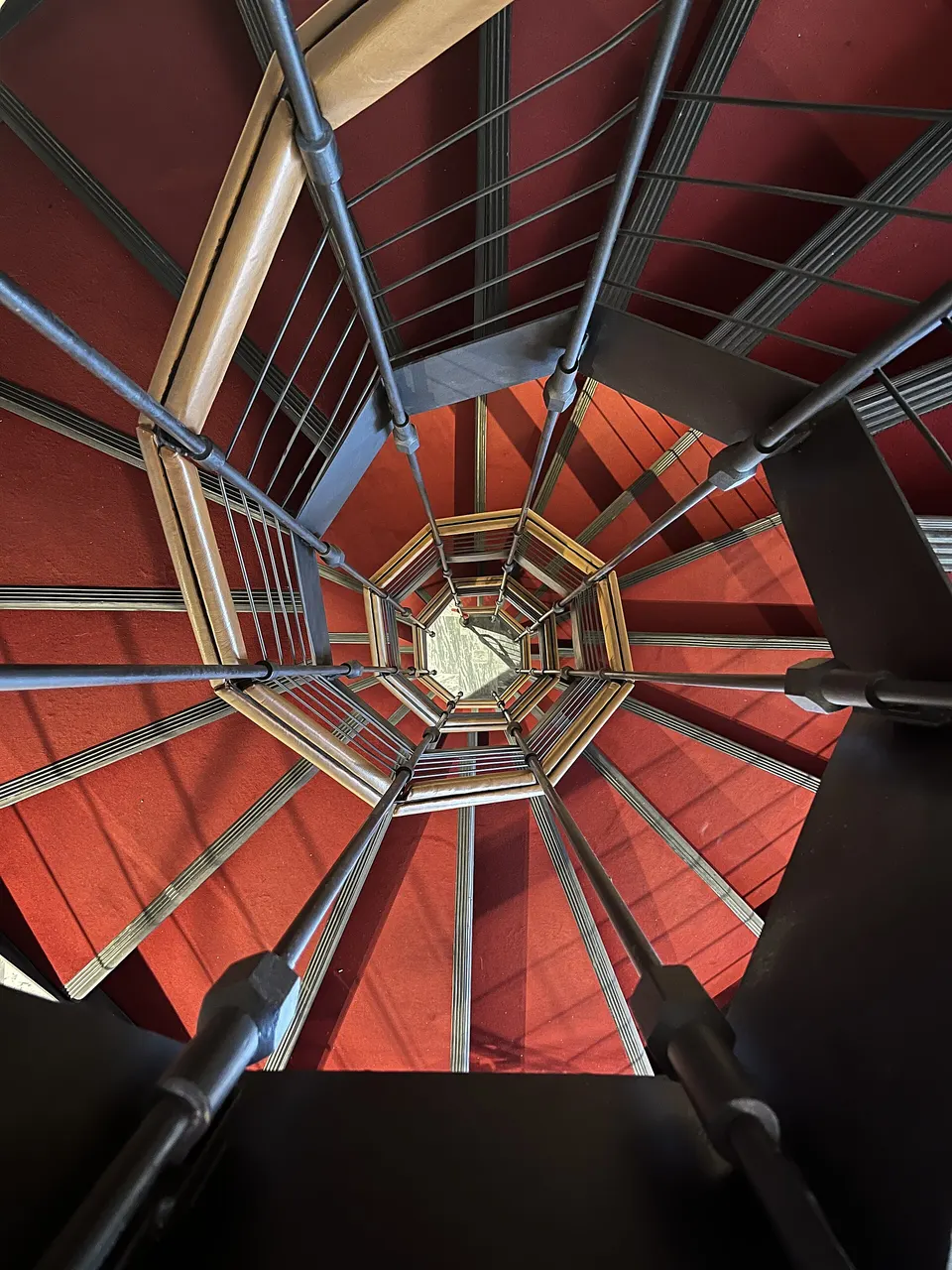
- Olivetti showroom, Piazza San Marco, Venice. A small shop for typewriters, now open to visitors through the FAI heritage trust.
- Querini Stampalia foundation, Venice. The renovation and garden of an old palace.
- Palazzo Abatellis, Palermo. The gallery of Sicilian art.
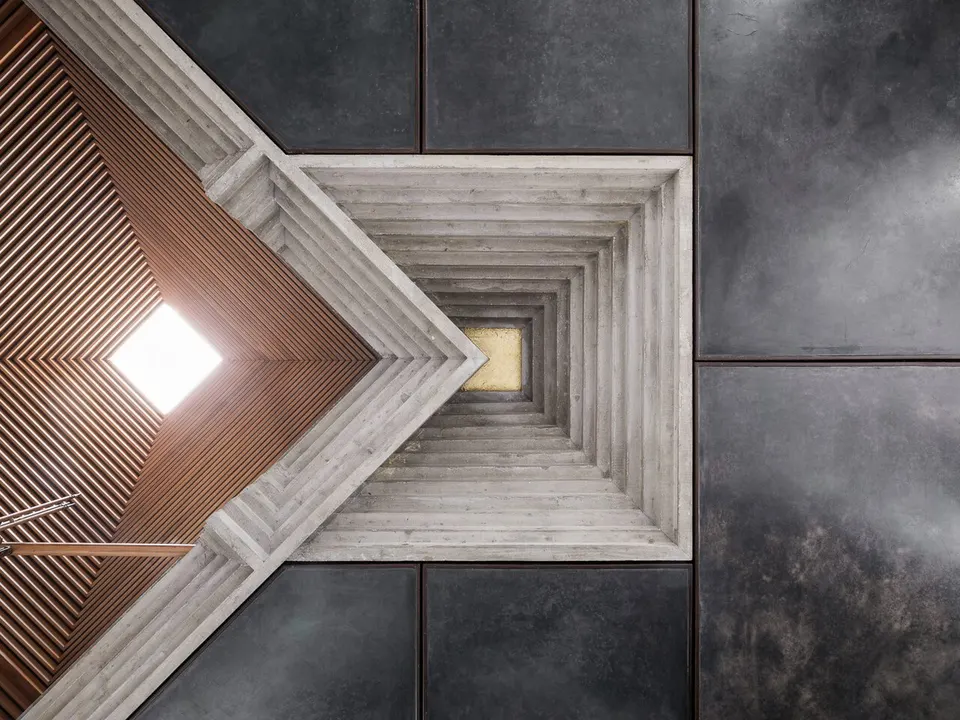
- Brion tomb, San Vito d'Altivole. Concrete buildings, gardens and water. Scarpa is buried beside it.
He was born in Venice in 1906 and died in Japan in 1978. He refused to take the state exam for architects, so he had to work with licensed partners, and people called him "Professore." One of his students was Gaetano Pesce.
Doge table and Cornaro sofa
In the 1960s Scarpa met the furniture maker Dino Gavina. The Doge table of 1968 has a base of wide flat metal bars and a glass or marble top. The Cornaro sofa of 1973 sets soft cushions inside a strong wooden frame. Cassina makes both today; its Cornaro is taller and deeper than the original. Other architects who also made furniture are in the guide to Italian designers.
Museums with Carlo Scarpa glass
The Metropolitan Museum of Art in New York holds sommersi, corrosi and battuti vases and devoted a show to them in 2013. The Victoria and Albert Museum in London lists a tessuti bottle and a cinesi vase on display in its glass room.
Sources
Main photo: Stairs of the Olivetti showroom, Venice, by Carlo Scarpa. Photo: seier+seier, CC BY 2.0