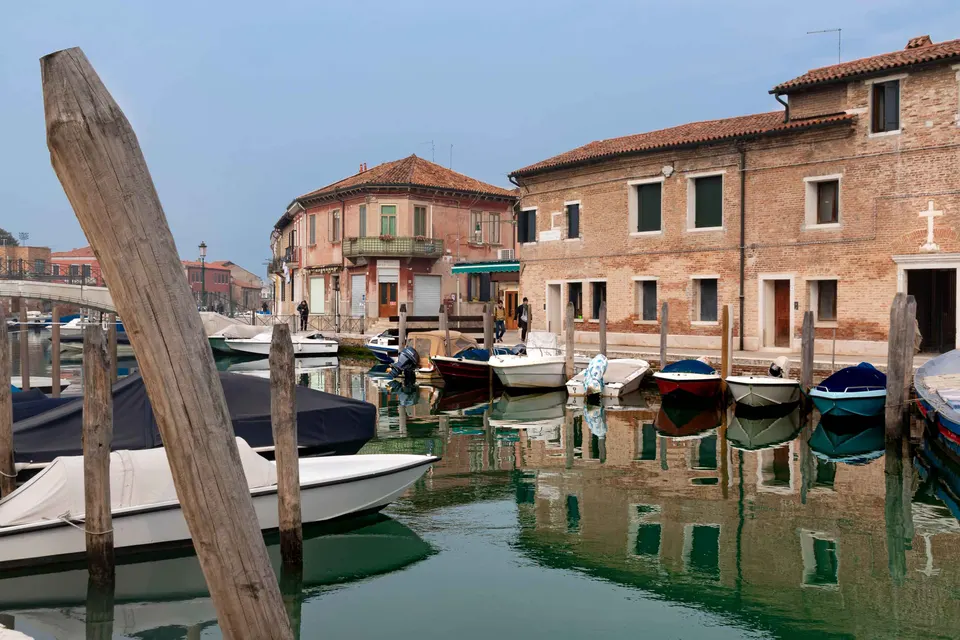
Murano glass history turns on one order. At the end of the 13th century Venice told its glass furnaces to move to the island, away from wooden houses. It also kept valuable recipes in one place.
Why Venice moved its furnaces to Murano
Many Venetian houses were timber, and furnaces caught fire often. Moving them across the water took that danger away. Makers of small wares could stay if their works stood at least fifteen paces from other buildings. The same move let the state watch imports and exports and keep its specialists close.
The rules were hard. Glassmakers needed permission to leave, and giving away a recipe could be punished by death. People left anyway, and by the end of the 16th century Venetian methods were in use in several countries.
What glassmakers got in return
Status, for one thing. A 14th-century decree let a glassmaker's daughter marry a nobleman with no loss of rank for the children. Furnaces stopped in the hot months for repairs, a break that lasted five months in the 1300s and was later cut to three and a half.
Cristallo: the clear glass that made Murano famous
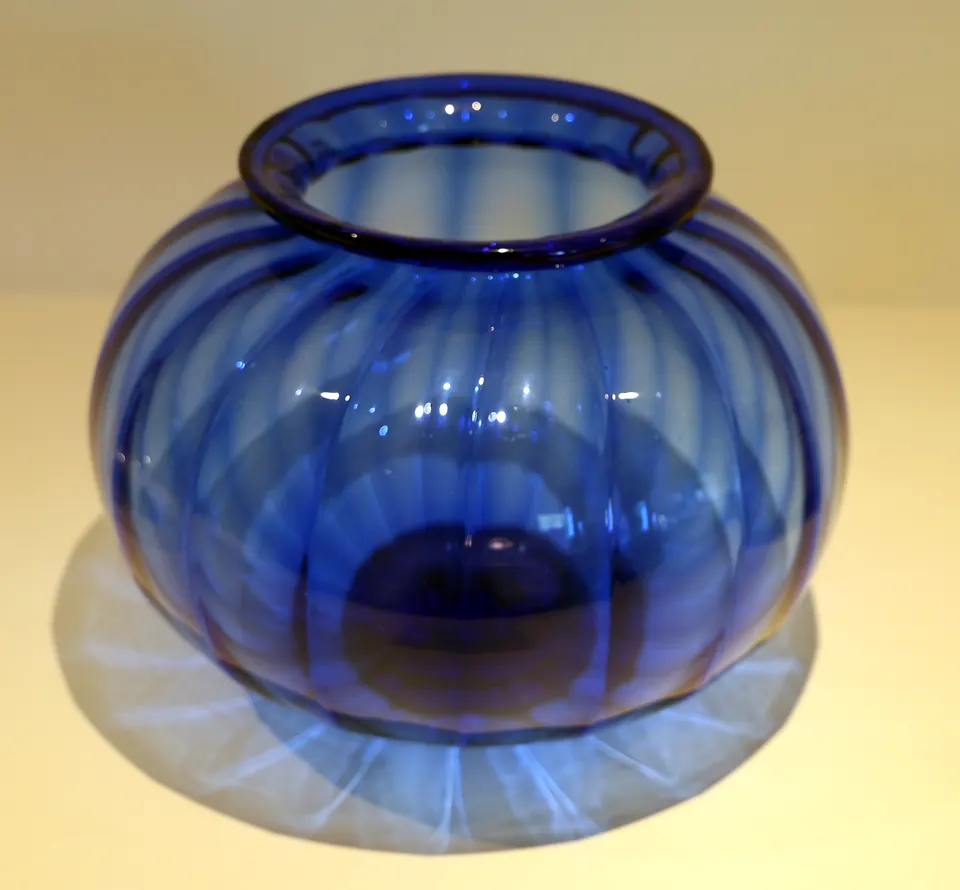
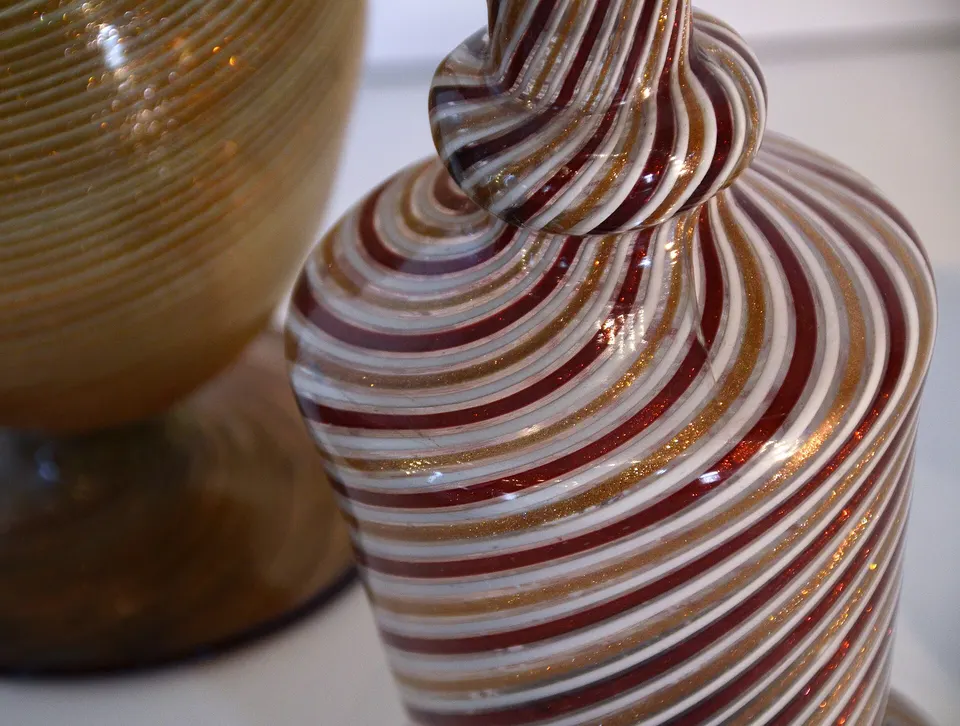
In the 15th century Murano workshops produced cristallo, a soda glass so clear it was named after rock crystal. The clarity came from purified plant ash and a little manganese, which cancels the green tint of iron. Milk-white lattimo belongs to the same century, and filigree made from glass canes to the next one.
Three Murano myths
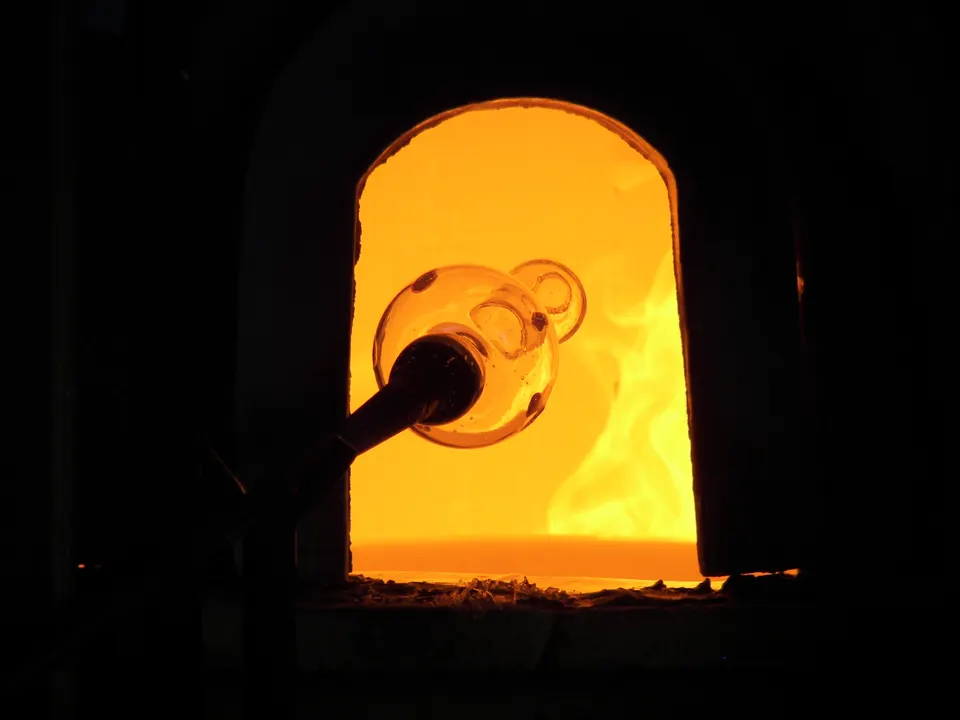
- "Nothing has changed since the Middle Ages." Wood fires gave way to oil and then to methane with temperature control. The old two-step melt, with a half-fused mass called fritta, is gone. The hand tools are what stayed.
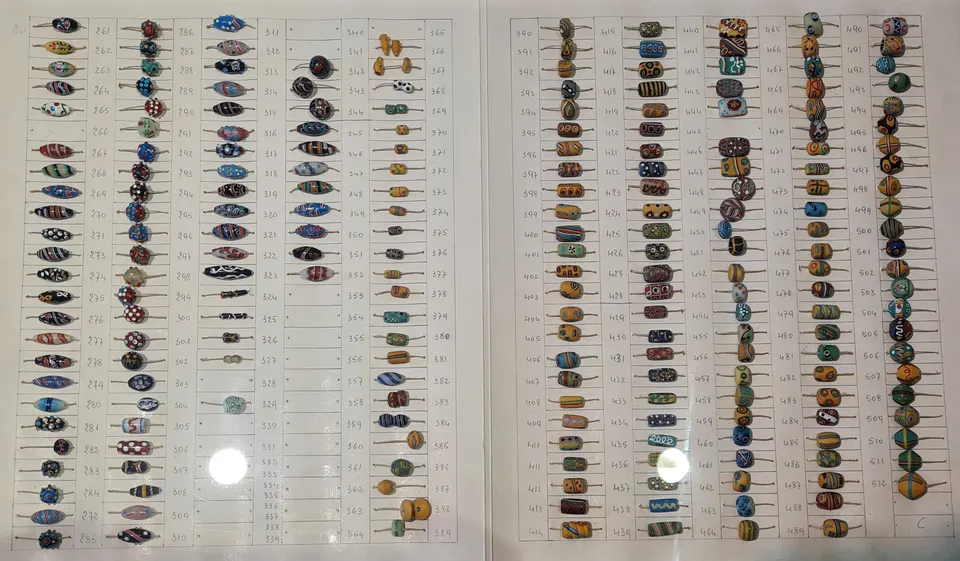
- "All Murano glass is blown." Beads are wound over a flame or cut from drawn rods. Thick sculptures are shaped without any air inside. Sheets of murrine can be slumped over a form.
- "Engraving is always done with a needle." Wheels coated with abrasive have been used since the 17th century, and acid can also eat a pattern into the surface.
Where to see Murano glass today
The Museo del Vetro on the island shows the story in order, from Roman glass to the 20th century. Many furnaces also let visitors watch a piece being made, which explains more than any label. If you go, read the steps from gather to annealing first.
Sources
Main photo: A canal on Murano. Photo: Ralf Steinberger from Milan, Berlin + Munich, Italy + Germany, CC BY 2.0