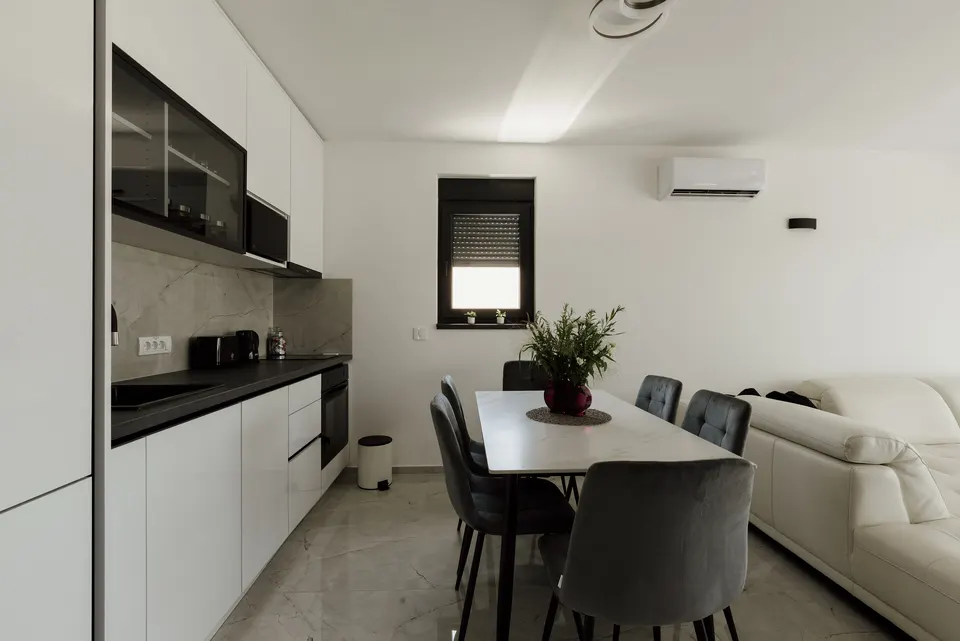
Italian interior design starts with the room itself: a hard floor, walls with texture and a lot of natural light. Furniture comes last, and there is little of it.
Floors, walls and light
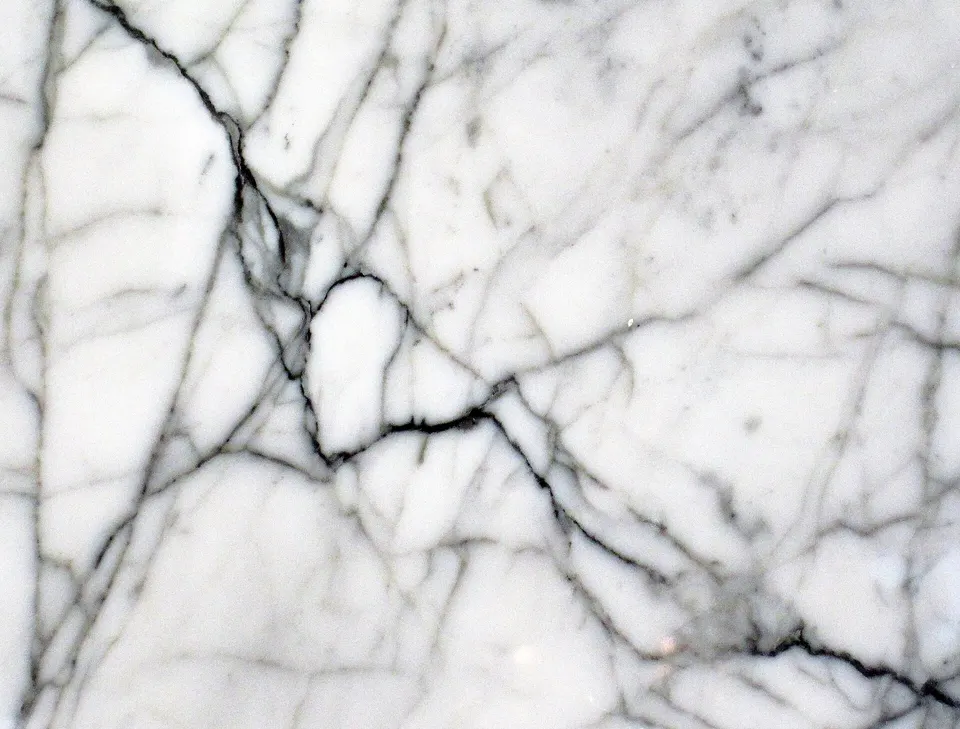
- Floor. Stone, tile or terrazzo, with a rug laid on top instead of wall-to-wall carpet. Terrazzo as it is made now descends partly from the Venetian pavement of the eighteenth century, where marble fragments were set by hand in mortar and then ground smooth.
- Wall. Lime plaster in place of flat paint. Marmorino, a mix of crushed marble and lime putty, was known in Roman times and came back into use in Venice during the Renaissance. It can be matte or polished, and it shifts in tone as you walk past.
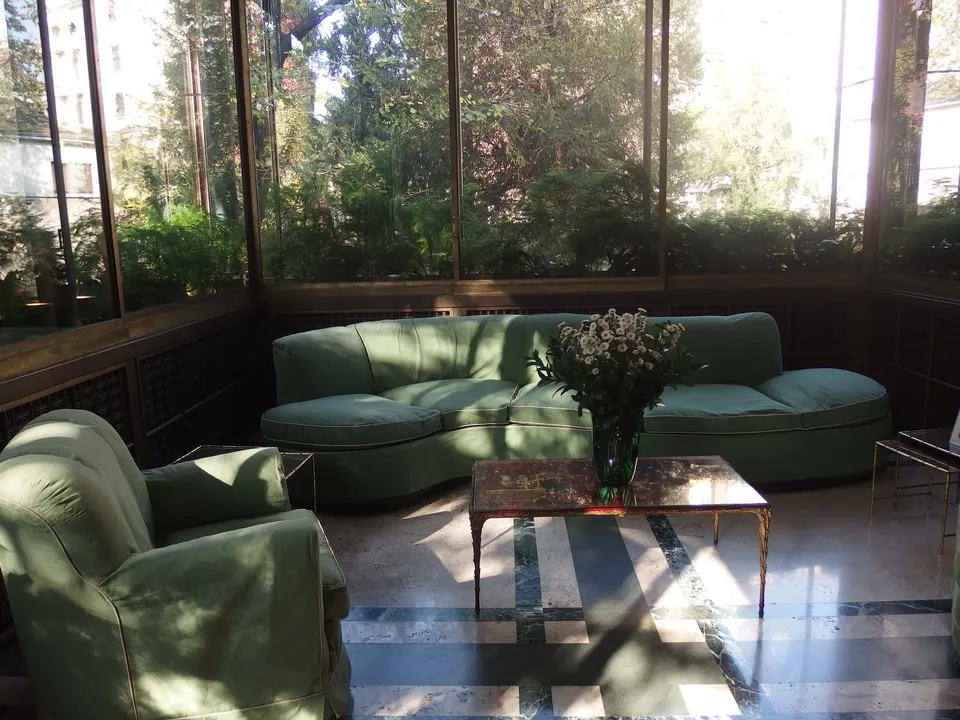
- Threshold. A loggia, a balcony or a pair of tall windows. The loggia is a covered gallery open on one side, and it turns the view and the garden into part of the room. Without one, a large plant beside the window does some of the same work.
Furniture and fabrics
- Few pieces, well made. Wood or metal frames with air under them, a damask or silk used sparingly. The gaps between pieces count as much as the pieces do.
- Somewhere to put things. An empty-looking room needs chests, closed cabinets and benches that open. Color can then come from small movable objects, such as a glass vase in good light.
The hall follows the same logic: see how to choose entryway furniture.
When Italian rooms are richly decorated
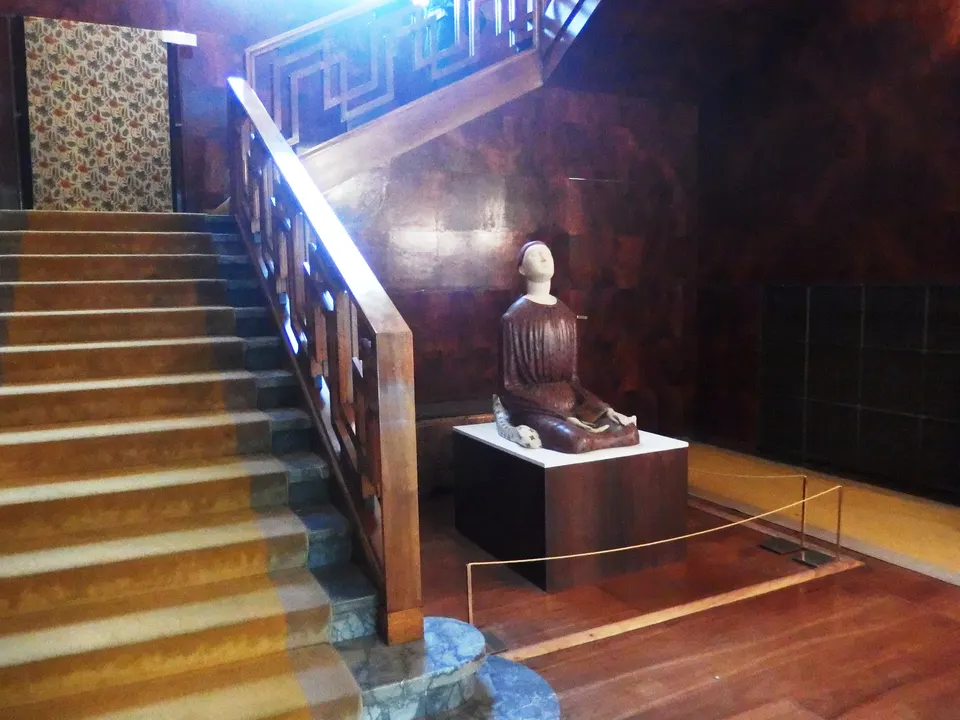
Spare rooms are only half of the story. Villa Necchi Campiglio in Milan was designed by Piero Portaluppi with restrained, rationalist spaces. The same family later hired Tomaso Buzzi, who refurnished several rooms in a softer, more elaborate manner drawn from the eighteenth century. Both are Italian. Advice that reduces the style to beige and minimalism leaves out half the country.
For the furniture side of the question, see what makes modern Italian pieces recognizable. For wall colors dug out of Italian ground, see three bedroom palettes.
Sources
Main photo: Villa Necchi Campiglio, Milan. Photo: Palickap, CC BY-SA 4.0