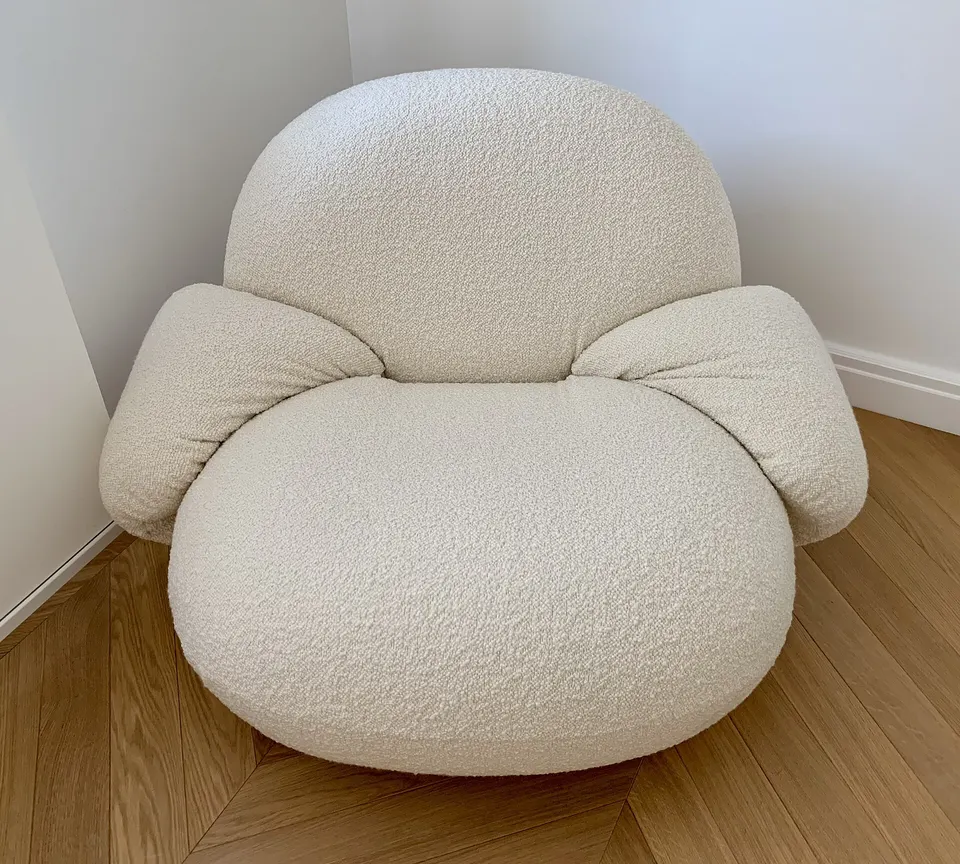
A boucle chair is a chair covered in bouclé, a fabric woven from looped yarn. It feels soft and bumpy, but the loops can catch on claws, rings and zippers.
What boucle fabric is
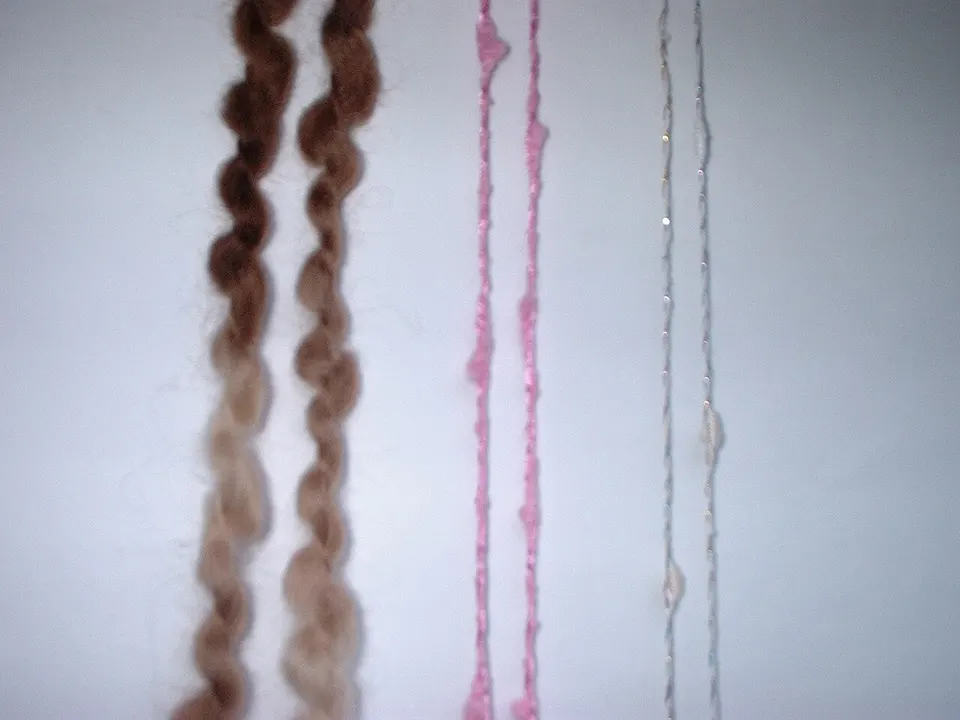
The yarn has at least two strands. One is held tight and the other is fed in loose. As they twist together, the loose strand makes loops and the tight one holds them. The loops can be tiny rings or large curls. Cloth woven from this yarn is called bouclé too.
The word tells you how the yarn is built. It does not tell you the fiber, which can be wool, cotton, a synthetic or a mix. Two boucle chairs may look alike and wear very differently.
Boucle, sherpa, chenille and shearling
| Fabric | How it is made | How to tell |
|---|---|---|
| Bouclé | Looped yarn, woven into cloth | Separate curls, a weave visible between them |
| Sherpa | Synthetic fabric made to look like sheepskin | Fluffy, with no weave on the face |
| Shearling | Real sheepskin with the wool left on | Suede on the back, heavy and dense |
| Chenille | Yarn with a furry surface | Smooth to the hand, like a caterpillar |
| Terry | Loops that stand up from the ground cloth | Loops all over, like a towel |
If a tag says “boucle” or “teddy,” turn a corner of the fabric over. If you see no crossing threads at the back, ask what the material is.
Chairs that suit boucle
The Womb chair by Eero Saarinen is American. Florence Knoll asked him for a chair like a basket full of pillows, one she could curl up in. It came out in 1948: a fiberglass body with foam, on thin steel legs. The V&A in London has one covered in wool. Knoll now offers it in many fabrics, and one of them, Classic Boucle, mixes wool with cotton and other threads.
Round Italian seats of the same years also have the right shape, for example the Lady armchair on the page about Italian mid century modern. A wide curve shows the fabric well. A thin frame with sharp edges rubs the loops at the corners.
Martindale, snags and pilling
Three things wear a boucle chair: rubbing, snags and pills. For rubbing, ask for the Martindale number. A machine rubs a sample until it wears out, so a higher number means a tougher cloth. A German textile institute asks for at least 10,000 for home seats with soft padding and 15,000 with hard padding. In the United States you may see a Wyzenbeek number, which comes from a different test.
A snag happens when something sharp or rough pulls a thread out of place. With a cat in the house, choose small, tight loops or another cloth.
Pills are little balls of fiber. Wool, cotton, polyester and acrylic all pill. On wool they get fewer with time. On synthetics they stay, because the strong fibers hold them.
Care and cleaning
- Read the care label first. Wool and synthetics need different cleaning.
- Vacuum with a soft brush and low power.
- Blot a spill at once with a clean white cloth. Rubbing makes fuzz.
- Do not cut a pulled loop at once. Hold the thread at both ends and ease the cloth apart, so the loop slips back.
- Remove pills with a fabric shaver held lightly, and test it on the back first.
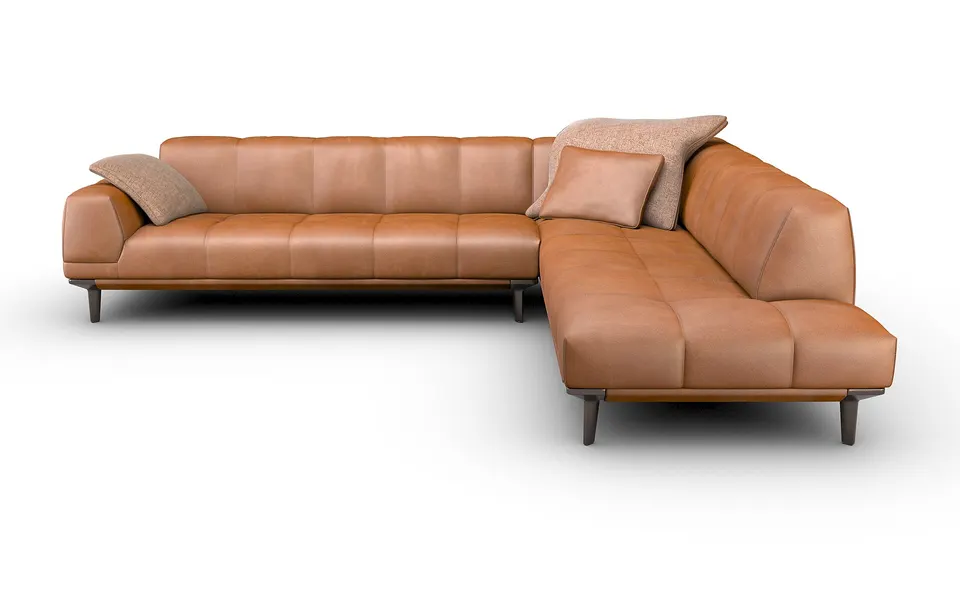
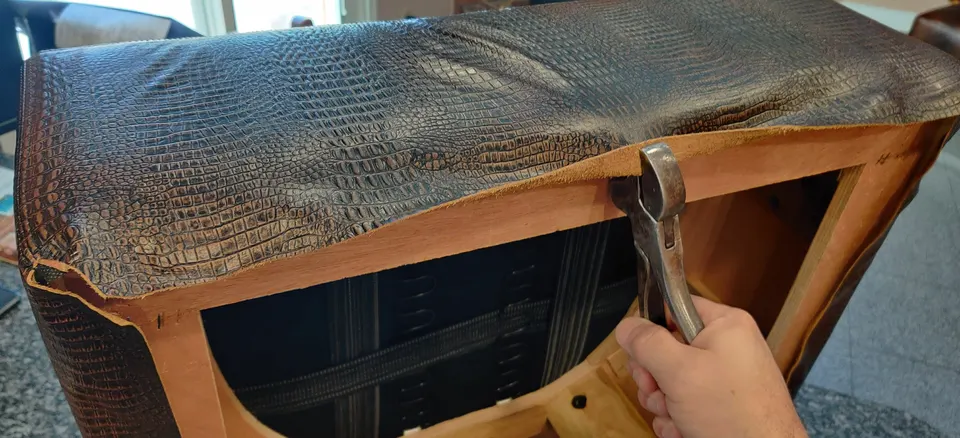
If you want less care, compare with the guide to an Italian leather sofa. Under any cover the frame matters most, and the sofa and armchair check works for a single chair too.
Where to put a boucle chair
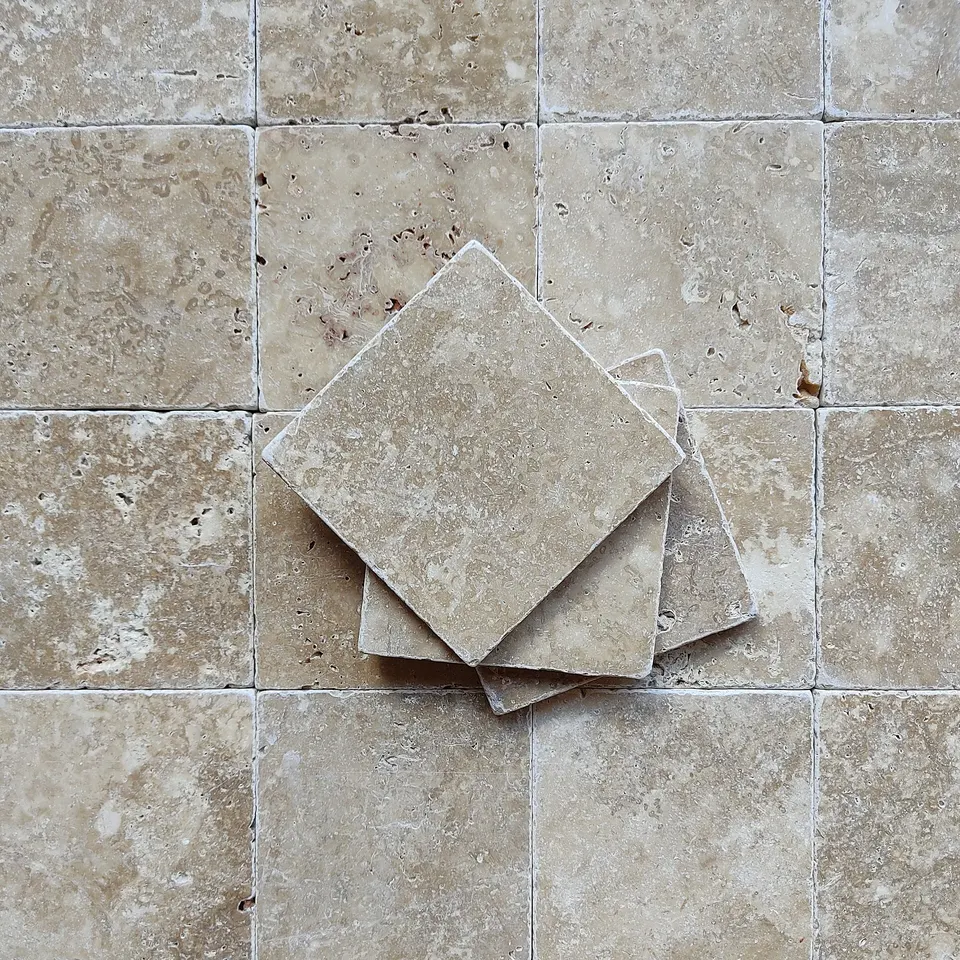
Put the chair where light comes from the side, so the loops cast small shadows. Cream shows dirt on the arms first, while gray, rust or olive is easier. Set it against something smooth, such as stone, glass or metal. A travertine table is a good partner. More on mixing surfaces is in light, texture and scale.
Sources
Main photo: Armchair in boucle fabric. Photo: Neoclassicism Enthusiast, CC BY-SA 4.0