Every eco-friendly furniture material has a weak point: glue, long shipping, a short life or layers that cannot be separated. This guide shows the good and bad side of six materials so you can choose.
Six eco-friendly materials compared
| Material | In its favor | The catch |
|---|---|---|
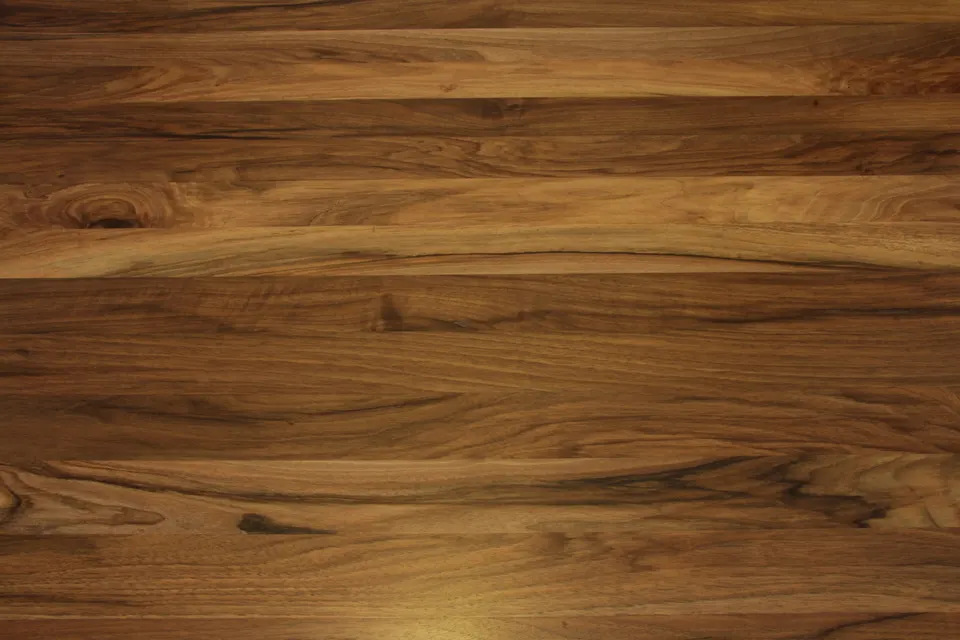
| Reclaimed solid wood | No new tree is cut; old boards have dried for years | Nails, old finishes, uneven supply |
| Bamboo board | Ready to cut in about five years, regrows from the root | Strips are glued, often with urea-formaldehyde, and mostly shipped from China |
| Cork | Bark is stripped about every nine years and the tree stays standing | Soft, so it dents, and daylight changes its color |
| Linoleum | Linseed oil, pine resin, cork and wood dust on a jute-type backing | Often confused with vinyl, which is PVC |
| Particle board, MDF | Uses chips and sawmill waste | Resin binder, swollen edges, poor repair |
| Wooden leather | Thin wood on cloth, no hide | A bonded sandwich, so the layers are hard to separate later |
Is imitation wood or stone greener?
Synthetic wood and stone are sold as the greener choice because no tree or quarry is involved and because they forgive wet glasses. The second point is true. The first leaves out that most are plastics or plastic-bound mixtures and can rarely be refinished. They make sense where a surface takes daily abuse, such as a small kitchen, and less sense on a side table that oak would carry through several owners.
What to read on the label
- Glue. In the United States, hardwood plywood, MDF and particle board, and furniture made with them, must be labeled as compliant with TSCA Title VI, which limits formaldehyde emissions.
- Origin. “Responsible wood” needs a certificate number that can be looked up, along with the name of the species. Bamboo plantations sometimes replace natural forest, so origin matters there too.
Keeping old furniture is the greenest choice
The object already in your home has been made once. Regluing a chair, changing a cover or cutting down a table spares all of the materials above. After that come used furniture, and then new pieces that can be opened with a screwdriver.
Sources
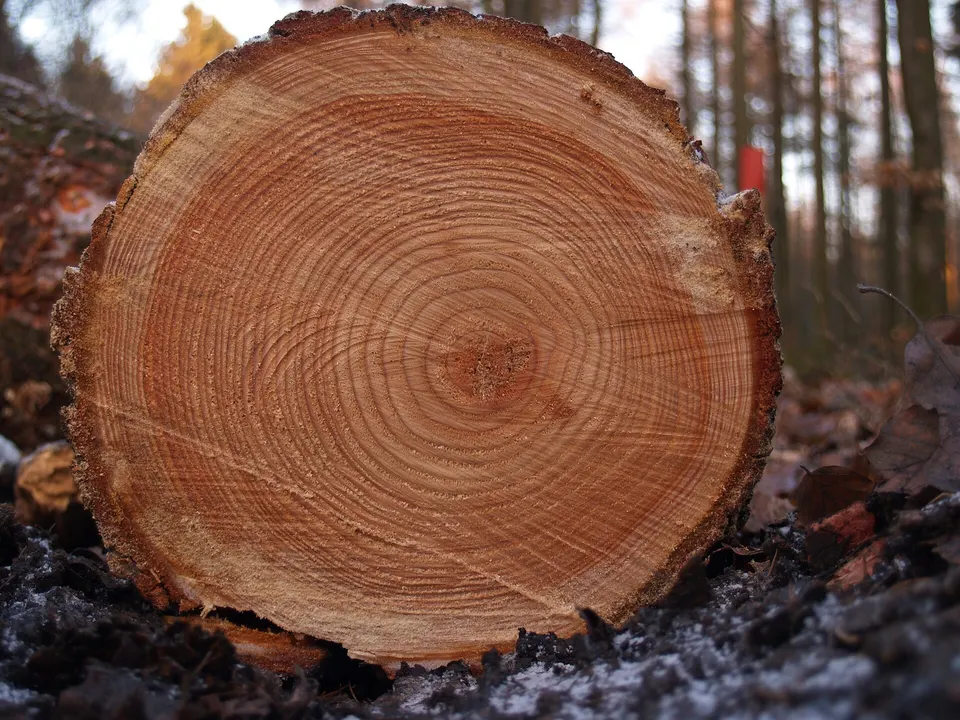
Main photo: Growth rings. Photo: Arnoldius, CC BY-SA 2.5