Custom furniture is worth it when a standard piece does not fit the space, your body or the way you use it. When a standard piece fits, custom is usually poor value, because you pay for design and set-up made only for you.
What makes custom furniture expensive
- Drawing time. Someone measures, sketches, corrects and draws again. In a factory that cost is spread over thousands of chairs.
- Set-up for one. Jigs, templates and molds are made, used once and put on a shelf.
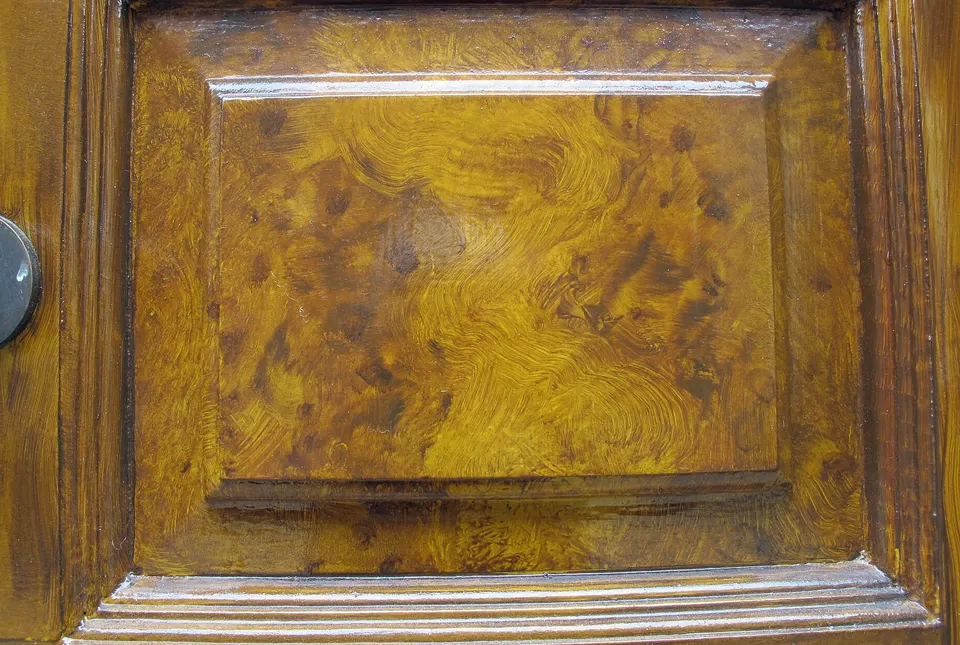
- Selection. Boards are picked for grain and laid out so the figure runs across a front. Offcuts are part of the bill.
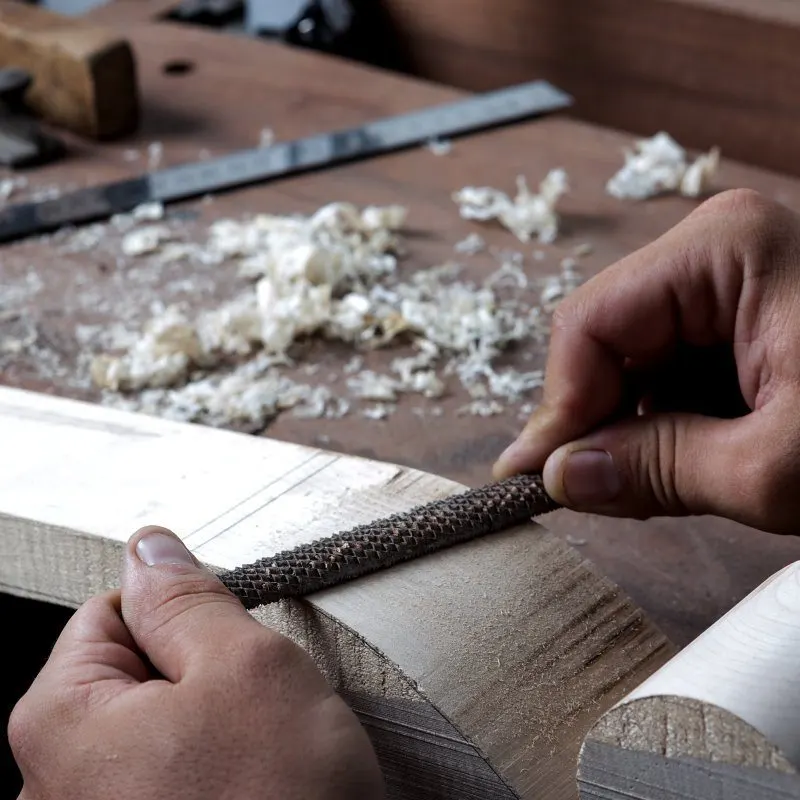
- Hand finishing. Sanding, oiling and fitting drawers take hours that a machine line skips.
- Risk. A mistake in a one-off has no spare part waiting.
The whole sequence is described in how custom furniture is made.
When custom is worth it and when it is not
| Good reason | Weak reason |
|---|---|
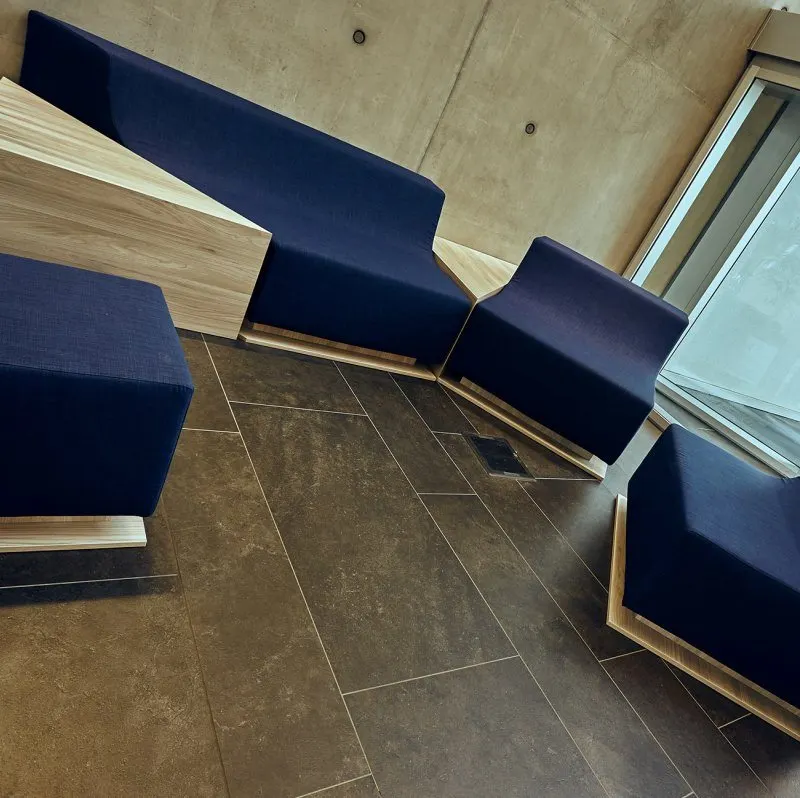
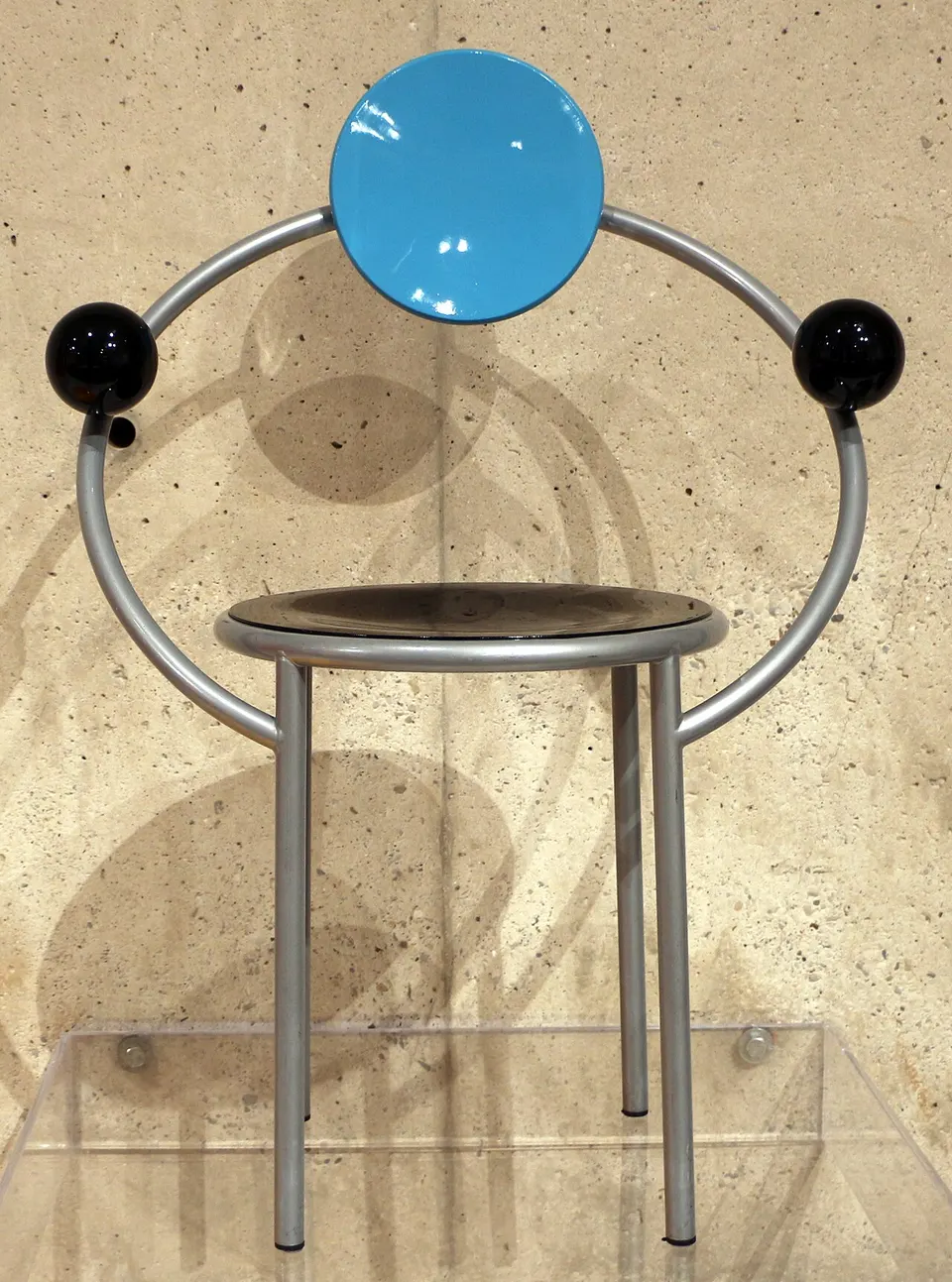
| An alcove, a slope or a very long wall | To own something nobody else has, with no other need |
| A seat height or depth that suits your body | A belief that custom always lasts longer |
| One piece doing two jobs, such as a bench with files inside | A hope that it raises the price of the home |
| A material or cover you cannot find ready-made | A deadline three weeks away |
Custom does not always last longer
Custom does not mean durable by itself. A one-off is a prototype, and a factory model may have been tested and corrected for years. Durability comes from furniture materials and joints, which you should agree on in writing.
It is also said to be greener. It can be, when the maker is nearby, uses reclaimed or traceable wood and builds a thing you keep. Ordered from far away in exotic veneer, it is simply a single large shipment.
How long it takes, and a cheaper option
Expect a couple of months at least, more if a fabric or stone has to be ordered. Ask for the stage dates along with the final one; how a custom piece gets made lists them.
One custom object among ordinary ones often does more than a full set. A common route is to order the awkward item, say a low table for an odd corner, and buy the rest off the floor. Changing only the cover, the legs or the length of an existing model sits in between, and many workshops will do it.